Christology (Theology of Jesus Christ the Son)
Showing 37–48 of 95 resultsSorted by latest
-

Lamb Of God
$43.99What is our participation in the divine humanity? According to Bulgakov, humans “consist of an uncreated, divine spirit . . . and of a created soul and body.” Prior to Christ’s coming, humans do not have the power to realize in themselves the new spiritual birth that is not of flesh and blood, but of God. In explaining this important doctrine, Bulgakov begins by surveying the field of Christology with special reference to the divine humanity. He then considers the role of the Divine Sophia, examines the foundations of the Incarnation, explores the nature of Christ’s divine consciousness, and ponders Christ’s ministries while on Earth. A profound discussion of Christ’s kenosis as a model for humanity rounds out this comprehensive and valuable study. The Lamb of God is one of the greatest works of Christology in the twentieth century and a crowning achievement in the examination of the theology of divine humanity.
Add to cartin stock within 3-5 days of online purchase
-
I Am : Discovering Who Jesus Is (Student/Study Guide)
$13.99In the midst of friends’ grief, a crownd’s hunger and follower’s fear, Jesus made some bold claims: “I am the Resurrection.” “I am the Bread of Life.” “I am the Way.” His claims are still true in our grief, fear and uncertainty. These eight studies help us see Jesus more clearly and live with hope and confidence because of who he is.
Add to cartin stock within 3-5 days of online purchase
-
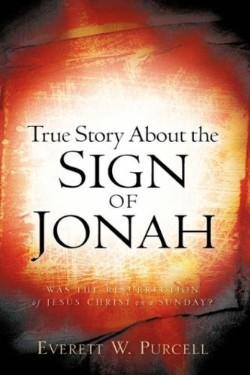
True Story About The Sign Of Jonah
$27.48This book shows that the traditional view of Easter (Palm Sunday, Friday crucifixion, and Sunday morning resurrection) is not scriptural. To grasp what really happened to Jesus requires an understanding of the Hebrew calendar, derived from the book of Exodus. Jesus was crucified on the Preparation Day and was entombed during the Passover, on the spices and perfume Preparation Day and during the regular Jewish Sabbath. This is three days and three nights just as Jesus prophesied numerous times. The Easter festival was established with a Greek calendar much later and can never explain the sign of Jonah.
Add to cartin stock within 3-5 days of online purchase
-
True Story About The Sign Of Jonah
$16.86This book shows that the traditional view of Easter (Palm Sunday, Friday crucifixion, and Sunday morning resurrection) is not scriptural. To grasp what really happened to Jesus requires an understanding of the Hebrew calendar, derived from the book of Exodus. Jesus was crucified on the Preparation Day and was entombed during the Passover, on the spices and perfume Preparation Day and during the regular Jewish Sabbath. This is three days and three nights just as Jesus prophesied numerous times. The Easter festival was established with a Greek calendar much later and can never explain the sign of Jonah.
Add to cartin stock within 3-5 days of online purchase
-
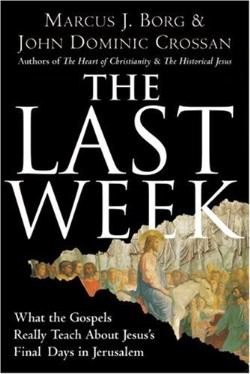
Last Week : What The Gospels Really Teach About Jesus Final Days In Jerusal
$16.99Chronicles the mounting tension that forced everyone in Jesus’s path to pledge allegiance – either to Rome’s way of power and oppression or to his way of love and equality.
Add to cartin stock within 3-5 days of online purchase
-
Pre Existent Son
$39.99Finding evidence for Jesus’ pre-incarnate existence in the Synoptics, Gathercole compares the “I have come” sayings of Jesus with angelic pronouncements in Second Temple and rabbinic literature; considers the variety of titles applied to Jesus; then comments on related topics such as wisdom Christology. Will stir up debate. 320 pages, softcover. Eerdmans.
Add to cartin stock within 3-5 days of online purchase
-
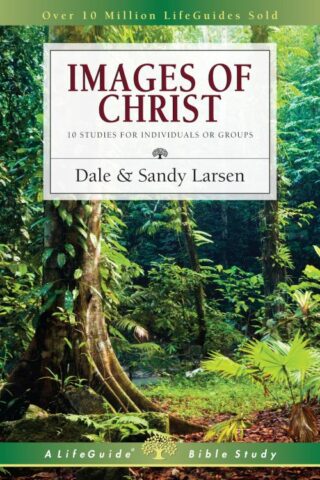
Images Of Christ (Student/Study Guide)
$13.99Good Shepherd. Branch. Bridegroom. Cornerstone. There are many images of Christ in Scripture. Some of these word-portraits are easier for us to grasp than others, but each reveals an important aspect of who Christ is. By helping us understand the different images, these ten studies by Dale and Sandy Larsen lead us to know and respond to the reality behind the images–Christ himself–in new and deeper ways
Add to cartin stock within 3-5 days of online purchase
-
Yeshua : The Lion Of Judah (Student/Study Guide)
$33.11DISCOVER YESHUA – THE SON OF GOD AS YOU HAVE NEVER SEEN HIM BEFORE Let this book talk to you through the Holy Scriptures to show you the sides of Yeshua Ha’Mashiach as you have never seen. Counselor, ram of God, the Lion of Judah, the King of Righteousness, high priest, and creator. If you let the simple presentation of the Holy Scriptures speak for themselves, this book will reward you with a deeper, more satisfying understanding of Yeshua and the relationship he has with the God of the Universe. This book will ignite a fire of passion for God as your understanding deepens for what God has done for us through Yeshua. This book will transform your life.
Add to cartin stock within 3-5 days of online purchase
-
Yeshua : The Lion Of Judah (Student/Study Guide)
$20.61DISCOVER YESHUA – THE SON OF GOD AS YOU HAVE NEVER SEEN HIM BEFORE Let this book talk to you through the Holy Scriptures to show you the sides of Yeshua Ha’Mashiach as you have never seen. Counselor, ram of God, the Lion of Judah, the King of Righteousness, high priest, and creator. If you let the simple presentation of the Holy Scriptures speak for themselves, this book will reward you with a deeper, more satisfying understanding of Yeshua and the relationship he has with the God of the Universe. This book will ignite a fire of passion for God as your understanding deepens for what God has done for us through Yeshua. This book will transform your life.
Add to cartin stock within 3-5 days of online purchase
-
7 Sayings Of The Saviour On The Cross (Reprinted)
$20.00The words Christ spoke from the cross can inform Christians of the purpose, the meaning, and the sufficiency of his death. After an introduction that discusses the nature of Christ’s death as natural, unnatural, preternatural, and supernatural, Dr. Arthur W. Pink clearly illustrates the lessons that can be drawn from Christ’s words-lessons on forgiveness, salvation, affection, anguish, suffering, victory, and contentment. This comprehensive and accessible volume is useful for both sermon preparation and personal study.
Add to cartin stock within 3-5 days of online purchase